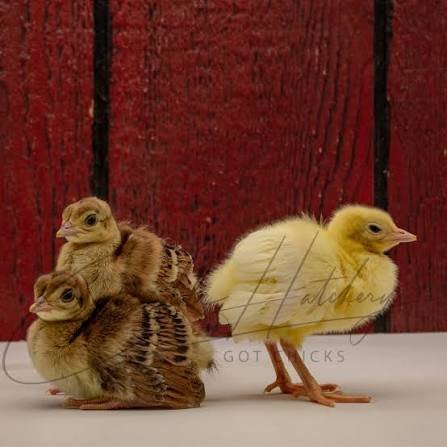
Raising baby peacocks can be a rewarding experience for bird enthusiasts who want to create a beautiful and peaceful private aviary. Peafowl are admired for their striking appearance, curious behavior, and baby peacocks for sale distinctive personalities. However, selecting healthy young birds requires careful consideration, especially for first-time keepers. Their early development, living conditions, and nutritional needs play an important role in their long-term health and well-being.
Before bringing baby peafowl home, prospective owners should understand how to evaluate their condition, identify responsible breeders, prepare suitable housing, and provide appropriate care. Making informed decisions at the beginning can help create a healthier flock and a more successful aviary environment.
Understand the Different Types of Young Peafowl
The term baby peacock is commonly used to describe young peafowl of either sex. Technically, males are called peacocks, females are called peahens, and their young are known as peachicks.
Peafowl are available in several varieties, including Indian Blue, White, and other recognized color variations. Each variety has distinctive characteristics, although their basic care requirements are broadly similar.
When choosing peachicks, consider your aviary’s purpose. Some keepers prefer traditional Indian Blue peafowl because of their familiar appearance, while others appreciate different color varieties. Research the expected adult size, temperament, and housing requirements before making a decision.
It is also important to remember that the sex of very young peachicks may be difficult to determine accurately. If you need a particular male-to-female ratio, ask the breeder about the birds’ ages and whether any sex identification has been reliably established.
Examine the Bird’s Overall Appearance
A healthy peachick should appear alert, active, and appropriately developed for its age. Although young birds naturally spend time resting, they should respond to their surroundings and move normally when awake.
Observe the bird before purchasing it. Look for clear eyes, clean nostrils, and a beak that appears properly formed. The feathers should look reasonably clean and well maintained for the bird’s stage of development.
Check whether the peachick can stand and walk without obvious difficulty. Its legs and feet should appear straight enough for normal movement, without visible swelling or unusual deformities. Avoid selecting birds that consistently struggle to stand, appear unusually weak, or have difficulty maintaining balance.
The bird’s body should look proportionate for its age. An extremely thin appearance, persistent drooping posture, or unusual lethargy may indicate a health concern.
However, appearance alone cannot confirm that a peachick is free from disease. A veterinary examination and reliable health records provide additional reassurance.
Check Activity Levels and Behavior
Behavior is another useful indicator when evaluating young peafowl. Healthy peachicks generally show curiosity about their surroundings and respond to movement, sounds, and nearby birds.
Observe how they walk, interact, and respond during ordinary activity. Young birds may gather together for warmth and security, so staying close to their companions is normal.
Be cautious if a bird remains isolated, repeatedly closes its eyes while the others are active, or appears uninterested in food and water. Unusual breathing, persistent coughing, discharge around the eyes or nostrils, and difficulty moving are additional warning signs.
Do not assume that every quiet bird is unhealthy. Individual temperaments vary, and a new environment may temporarily make young birds nervous. The important factor is whether the bird’s overall behavior is appropriate for its age and circumstances.
If several peachicks are available, observe the entire group rather than choosing solely by appearance. A responsible breeder should allow reasonable observation without unnecessarily handling or stressing the birds.
Ask About the Bird’s Age and Health History
Before purchasing peachicks, ask the breeder for clear information about their age, origin, and previous care. Accurate age information helps you determine whether you can provide the correct environment and feeding routine.
Very young peachicks require more careful temperature management and supervision than older juveniles. They should not be purchased until their specific care needs can be met confidently.
Ask whether the birds have received appropriate veterinary attention, whether any illnesses have occurred in the flock, and whether relevant health records are available. You should also ask about vaccinations or preventive treatments where applicable in your region.
A trustworthy breeder should answer questions openly and explain the birds’ feeding routine, housing conditions, and recent behavior.
Avoid sellers who cannot provide basic information about the birds or who pressure you to purchase immediately. A low price does not necessarily represent good value if the bird has an unknown health history or requires extensive veterinary treatment.
Choose a Responsible and Reliable Breeder
Finding a responsible source is one of the most important steps in acquiring healthy peachicks. Experienced breeders generally understand peafowl development and can explain the practical needs of young birds.
Look for a breeder who maintains clean housing, provides suitable food and water, and keeps birds in conditions that reduce unnecessary stress. The birds should have enough room to move normally and should not appear overcrowded.
Ask how new arrivals and sick birds are managed. Good biosecurity practices help reduce the spread of infectious diseases between groups.
It is also useful to ask whether the breeder can offer guidance after the sale. Advice about feeding, housing, and routine health monitoring can be particularly valuable to new keepers.
Depending on your location, purchasing peafowl may involve permits, animal welfare rules, transport requirements, or restrictions on certain species and varieties. Check the relevant local regulations before making a purchase.
Prepare the Private Aviary Before Arrival
Even a healthy peachick can experience difficulties if its new environment is unsuitable. Prepare the aviary before bringing the birds home rather than attempting to build or modify the enclosure afterward.
Young peachicks need a secure, dry, clean, and well-ventilated space. Their early housing should protect them from extreme temperatures, rain, strong drafts, and predators. Appropriate warmth is especially important for very young birds, but overheating must also be avoided.
Use safe flooring and suitable bedding that remains dry and does not create unnecessary slipping or ingestion hazards. Inspect the enclosure for sharp edges, gaps, loose wire, and openings through which a young bird could escape or become trapped.
As the birds grow, they will require more space and opportunities to move, explore, and perch. Adult peafowl can become large and need substantial room, so plan the aviary around their future requirements rather than their current size.
Provide clean drinking water in containers designed to reduce the risk of drowning or accidental tipping. Feeders and water containers should be positioned so that all birds can reach them comfortably.
Understand Proper Nutrition and Feeding
Nutrition is essential for healthy growth. Peachicks require a balanced diet formulated for their developmental stage and suitable for gamebirds or peafowl, depending on local product availability and veterinary guidance.
Ask the breeder which feed the birds currently eat and obtain its nutritional details. If a change is necessary, seek appropriate guidance and introduce the new feeding routine carefully to avoid unnecessary digestive disruption.
Do not rely on bread, household leftovers, or scattered grains as the main diet. These foods do not provide the complete nutrition required for proper development.
Fresh water must remain available throughout the day, and feeding equipment should be cleaned regularly. Store feed in a dry, secure location to protect it from moisture, rodents, and contamination.
Monitor the birds’ appetite, activity, and growth over time. Sudden changes in eating or drinking behavior may indicate stress or illness and should not be ignored.
Consider Compatibility and Quarantine
If you already keep birds, do not immediately place newly purchased peachicks in the same enclosure. A separate quarantine area allows you to monitor their health and reduces the risk of introducing infectious diseases into your existing flock.
Ask an avian veterinarian for advice on an appropriate quarantine period and any recommended examinations or testing. During this time, observe the new birds for changes in appetite, droppings, breathing, and activity.
Avoid sharing equipment between separate bird groups unless it has been properly cleaned and disinfected. Wash your hands after caring for each group, particularly if any bird appears unwell.
When introductions are appropriate, plan them carefully and provide sufficient space and resources to reduce competition. Differences in age and size can affect how safely birds interact.
Establish a Routine for Long-Term Care
Choosing healthy peachicks is only the beginning of responsible peafowl ownership. Establish a daily routine that includes checking food and water, inspecting the enclosure, observing behavior, and removing soiled bedding when necessary.
Keep records of feeding, growth, veterinary visits, and any unusual symptoms. These notes can help identify changes that might otherwise go unnoticed.
Arrange veterinary support from a professional familiar with birds, ideally one experienced in poultry or ornamental gamebirds. Seek prompt advice if a peachick develops breathing difficulties, severe weakness, persistent diarrhea, or stops eating.
As the birds mature, continue reviewing their housing, diet, and social needs. Their requirements change as they grow, and a suitable setup for small peachicks may no longer be appropriate for juveniles or adults.
Conclusion
Choosing healthy baby peacocks for a private aviary requires more than selecting birds with attractive feathers. Prospective owners should evaluate activity levels, physical condition, age, health history, and the reliability of the breeder. Preparing suitable housing, providing balanced nutrition, and following sensible biosecurity practices are equally important.
By approaching the process carefully, you can make a more informed purchasing decision and establish a strong foundation for responsible peafowl care. With suitable preparation, regular observation, and professional veterinary support, peachicks can develop into healthy birds and become a valued part of a well-managed private aviary.