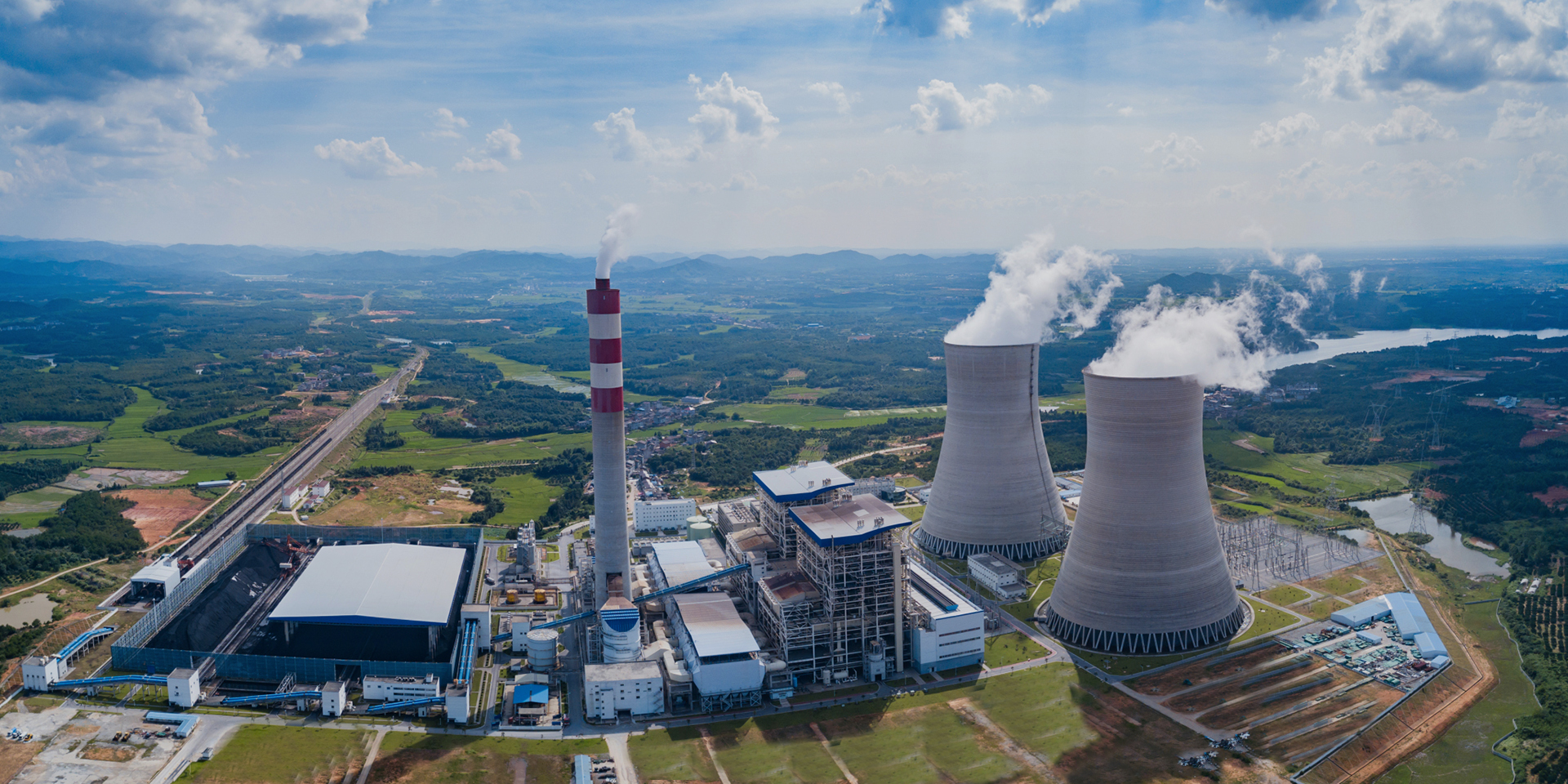
As industries worldwide strive to reduce carbon emissions and improve energy efficiency, biomass energy systems have become increasingly important. A biomass-fired boiler island plays a central role in converting renewable fuel sources into usable heat and power. However, aging infrastructure, stricter environmental regulations, and evolving operational demands make modernization essential. This comprehensive guide explores everything you need to know about biomass-fired boiler island upgrades, including benefits, planning considerations, technology options, and implementation strategies.
Understanding the Biomass-Fired Boiler Island
A biomass-fired boiler island typically includes the boiler, fuel feeding system, combustion chamber, air supply system, flue gas treatment equipment, ash handling systems, and associated control systems. Together, these components ensure efficient fuel combustion and energy production.
Over time, wear and tear, fuel variability, and outdated control systems can reduce performance. Inefficient combustion, high emissions, and increased maintenance costs are common signs that biomass-fired boiler island upgrades are necessary. Upgrading does not always mean replacing the entire system. Instead, targeted improvements can significantly enhance efficiency, reliability, and compliance.
Why Consider Biomass-Fired Boiler Island Upgrades?
There are several compelling reasons to invest in biomass-fired boiler island upgrades.
Improved Energy Efficiency
Modern combustion technologies and optimized heat transfer surfaces can significantly increase boiler efficiency. Enhanced fuel feeding systems ensure consistent fuel flow and better combustion, reducing unburned fuel losses.
Reduced Emissions
Environmental regulations continue to tighten globally. Upgrades such as advanced flue gas cleaning systems, improved combustion controls, and optimized air distribution can reduce particulate matter, NOx, and CO emissions. This helps facilities meet regulatory requirements and avoid costly penalties.
Lower Operating Costs
Outdated equipment often requires frequent repairs and high maintenance expenses. Upgrading critical components reduces downtime and extends equipment lifespan. Additionally, improved efficiency lowers fuel consumption, reducing overall operational costs.
Enhanced Operational Flexibility
Modern biomass plants often need to handle a variety of fuel types, including wood chips, pellets, agricultural residues, and industrial biomass waste. Biomass-fired boiler island upgrades can improve fuel flexibility, allowing facilities to adapt to market conditions and fuel availability.
Key Components to Evaluate During Upgrades
A successful upgrade strategy requires a thorough assessment of existing equipment. Below are the primary areas to evaluate.
Fuel Handling and Feeding Systems
Fuel variability is one of the biggest challenges in biomass operations. Upgrading conveyors, feeders, and storage systems ensures consistent fuel supply. Modern systems can handle varying moisture content and particle sizes more effectively.
Improved metering systems also enhance combustion efficiency by delivering precise fuel quantities to the furnace.
Combustion System Improvements
Combustion optimization is central to biomass-fired boiler island upgrades. Enhancements may include:
- Upgrading grates or fluidized bed systems
- Improving air staging for better mixing
- Installing advanced burners
- Retrofitting refractory materials
Optimized combustion leads to lower emissions, higher efficiency, and reduced slagging or fouling.
Boiler Pressure Parts and Heat Transfer Surfaces
Over time, boiler tubes and heat exchangers degrade due to corrosion and fouling. Replacing or upgrading these components improves heat transfer efficiency and reduces the risk of tube failures.
Adding economizers or air preheaters can also recover waste heat, increasing overall plant efficiency.
Flue Gas Cleaning Systems
Modern emission standards often require advanced pollution control technologies. Biomass-fired boiler island upgrades may include:
- Electrostatic precipitators
- Baghouse filters
- Cyclone separators
- Selective non-catalytic reduction (SNCR) systems
Upgrading flue gas cleaning systems ensures compliance while improving environmental performance.
Ash Handling Systems
Inefficient ash removal can disrupt operations and increase maintenance. Upgraded ash conveyors, storage silos, and automated removal systems enhance reliability and reduce manual labor requirements.
Control and Automation Systems
Older control systems lack the precision and data analytics capabilities of modern digital platforms. Installing advanced distributed control systems (DCS) allows operators to monitor combustion parameters in real time.
Automation improves load response, reduces human error, and enhances system safety.
Steps to Plan Biomass-Fired Boiler Island Upgrades
Upgrading a biomass-fired boiler island requires careful planning to minimize disruption and maximize return on investment.
Conduct a Comprehensive Performance Audit
Start with a detailed technical assessment of the existing system. This includes analyzing fuel consumption, emission levels, heat rate, and maintenance history. Identifying performance gaps helps prioritize upgrades.
Define Clear Objectives
Are you aiming to increase capacity, reduce emissions, improve efficiency, or extend plant life? Clear objectives guide technology selection and budget allocation.
Evaluate Economic Feasibility
Perform a cost-benefit analysis that includes capital expenditure, projected fuel savings, maintenance reductions, and potential regulatory incentives. Many governments offer financial support for renewable energy improvements.
Select Experienced Engineering Partners
Partnering with experienced engineers and technology providers ensures proper design and integration. Customized solutions are often more effective than generic upgrades.
Develop a Phased Implementation Plan
To reduce downtime, consider implementing upgrades in phases. This allows certain sections of the plant to remain operational while others are being modernized.
Advanced Technologies for Modern Boiler Islands
Innovation continues to reshape biomass energy systems. Some of the most impactful technologies include:
Digital Monitoring and Predictive Maintenance
Sensors and data analytics tools provide continuous monitoring of temperature, pressure, and emission levels. Predictive maintenance software identifies potential failures before they occur, reducing unplanned outages.
Advanced Combustion Modeling
Computational modeling tools optimize air distribution and combustion dynamics. This results in better fuel utilization and reduced emissions.
Hybrid Energy Integration
Some facilities integrate biomass systems with other renewable sources such as solar or waste heat recovery units. This hybrid approach improves overall plant performance and resilience.
Improved Materials and Coatings
New corrosion-resistant alloys and protective coatings extend the lifespan of boiler components exposed to high temperatures and corrosive flue gases.
Common Challenges and How to Overcome Them
While biomass-fired boiler island upgrades offer numerous benefits, challenges may arise.
Fuel Quality Variability
Biomass fuels vary in moisture content and calorific value. Installing fuel drying systems or advanced feed control mechanisms can mitigate these issues.
Downtime During Installation
Careful scheduling and phased upgrades reduce operational disruptions. Pre-fabricated components can also shorten installation time.
Budget Constraints
Prioritizing high-impact upgrades ensures maximum efficiency gains within limited budgets. Exploring financing options and incentives can further ease financial pressure.
Long-Term Benefits of Upgrading
Investing in biomass-fired boiler island upgrades delivers long-term advantages beyond immediate efficiency improvements.
Facilities benefit from improved sustainability credentials, enhanced compliance with environmental standards, and increased competitiveness in energy markets. Modernized systems also attract investors and customers seeking environmentally responsible energy solutions.
Moreover, upgrades extend the operational lifespan of existing infrastructure, delaying the need for complete system replacement. This maximizes the return on initial capital investments.
Conclusion
Upgrading a biomass-fired boiler island is a strategic decision that enhances efficiency, reduces emissions, lowers operating costs, and ensures regulatory compliance. With careful planning, comprehensive system evaluation, and the adoption of modern technologies, facilities can significantly improve performance and reliability.
Biomass-fired boiler island upgrades are not merely technical enhancements; they are investments in sustainability, operational resilience, and long-term profitability. By embracing modernization, industries can strengthen their renewable energy capabilities while contributing to a cleaner and more sustainable future.