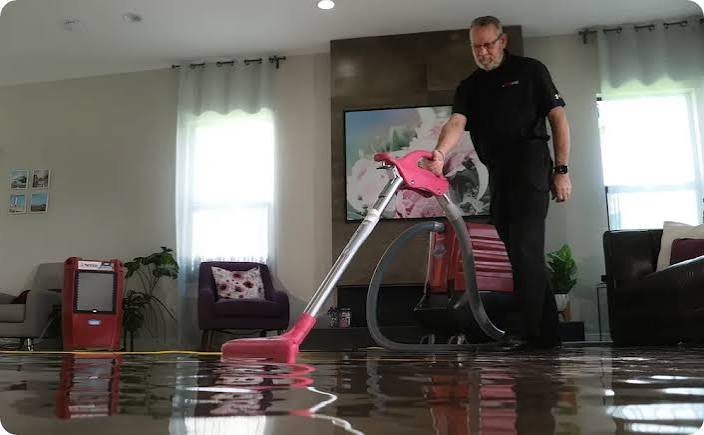
Facing flood damage in your home can be overwhelming. Whether caused by a severe storm, a burst pipe, a leaking appliance, or localized flooding, water intrusion can quickly compromise structural integrity and compromise household health. In these high-stress situations, knowing how to respond and understanding the role of professional flood restoration services can mean the difference between a quick recovery and long-term property damage.
This comprehensive guide walks you through everything you need to know about professional flood restoration services, from immediate emergency actions to structural drying, mold remediation, and long-term protection for your home.
Understanding Flood Restoration Services
When floodwaters enter a residence, the damage extends far beyond visible puddles on the floor. Water rapidly infiltrates walls, flooring, cabinetry, insulation, and electrical systems. Professional flood restoration services encompass a systematic, multi-step process designed to extract water, thoroughly dry affected areas, decontaminate impacted surfaces, and restore the structure to its pre-loss condition.
Unlike standard home cleanup efforts, certified restoration professionals utilize industrial-grade equipment, advanced moisture detection technology, and specialized sanitization agents. Their goal is to mitigate secondary damage—such as structural weakening and mold proliferation—while ensuring the environment is safe for occupants.
The Initial Response: Why Speed Matters
Time is the most critical factor when dealing with flood damage. Within 24 to 48 hours of water intrusion, mold spores can begin to germinate and colonize wet surfaces. Furthermore, porous materials like drywall, carpet padding, and hardwood flooring absorb water rapidly, leading to warping, swelling, and permanent deterioration.
Immediate Emergency Action Plan
Before professional crews arrive on site, homeowners should take immediate, safe steps to mitigate damage:
- Ensure Safety First: Turn off the main electrical breaker if it is safe to reach without stepping in standing water. Never enter a room with submerged electrical outlets or wires.
- Stop the Source: If the flooding is caused by an internal plumbing failure, shut off the main water valve immediately.
- Document the Damage: Take clear photos and videos of all impacted areas, standing water, and damaged personal property for insurance claims.
- Call for Professional Help: Contact a certified provider of flood restoration services as early as possible to minimize total loss.
Key Stages of Professional Flood Restoration
A reputable restoration company follows a structured protocol to guarantee thorough water removal and structural rehabilitation. While individual scenarios vary based on the extent and category of water damage, the core restoration process typically involves five key stages.
1. Inspection and Assessment
Upon arriving at your property, certified technicians perform a detailed inspection using specialized diagnostic tools. Moisture meters, thermo-hygrometers, and infrared thermal imaging cameras are utilized to detect hidden moisture trapped behind drywall, under subflooring, or inside ceiling cavities. Based on these findings, the team establishes a customized restoration plan.
2. Water Extraction
Removing standing water as quickly as possible is essential. Restoration experts deploy heavy-duty equipment, including submersible pumps and industrial truck-mounted vacuum units. Rapid extraction drastically reduces drying time and prevents water from migrating deeper into structural framing.
3. Dehumidification and Structural Drying
Even after standing water is removed, building materials remain saturated. Technicians strategically place high-velocity air movers and commercial-grade LGR (Low Grain Refrigerant) or desiccant dehumidifiers throughout the home. Air movers circulate air across wet surfaces to accelerate evaporation, while dehumidifiers draw moisture out of the air to prevent condensation and humidity buildup.
4. Cleaning, Sanitizing, and Decontamination
Floodwater is categorized into three types: clean water (Category 1), gray water (Category 2), and black water (Category 3). Floodwaters originating from outdoor overflow, storm run-off, or sewage backups fall under Category 3, carrying bacteria, viruses, parasites, and chemical contaminants.
Professional flood restoration services involve applying antimicrobial, antibacterial, and disinfectant treatments to eliminate pathogens. Odor control measures, such as thermal fogging or hydroxyl generators, are also deployed to neutralize lingering musty smells.
5. Restoration and Reconstruction
The final phase involves returning your home to its original state. This stage can range from minor repairs—such as replacing damaged drywall and installing new carpeting—to full-scale structural reconstruction, including rebuilding subfloors, repairing electrical circuits, and replacing custom cabinetry.
The Dangers of Incomplete or DIY Flood Cleanup
While many homeowners consider handling flood cleanup independently to save money, incomplete drying often leads to far more expensive consequences down the road.
Hidden Mold Growth
Standard household vacuums and consumer fans cannot extract deep-seated moisture from building cavities. Unseen moisture behind walls or beneath flooring creates an ideal environment for toxic mold strains, such as Stachybotrys chartarum (black mold). Prolonged mold exposure can trigger severe respiratory issues, allergies, and asthmatic reactions.
Structural Integrity Loss
Absorbed water causes wood beams to warp, rot, and weaken over time. Ceilings can collapse under the weight of trapped water, and subfloors can lose their load-bearing capacity. Professional moisture monitoring ensures every structural component achieves acceptable dry standards before reconstruction begins.
Navigating Insurance Claims with Flood Restoration Experts
Dealing with insurance companies following a major water event can be daunting. Reliable providers of flood restoration services frequently work directly with insurance adjusters to simplify the claims process for homeowners.
They assist by providing:
- Detailed inventory logs of damaged personal belongings.
- Comprehensive moisture mapping and drying logs.
- Itemized estimates using industry-standard pricing software (such as Xactimate).
- Photo and video documentation supporting the necessity of all performed services.
Having thorough, professionally documented evidence helps ensure your insurance claim is processed efficiently and accurately.
Choosing the Right Restoration Service Provider
Not all restoration companies provide the same standard of care. When selecting a service provider during an emergency, look for the following qualifications:
- IICRC Certification: Ensure the company is certified by the Institute of Inspection, Cleaning and Restoration Certification (IICRC), which establishes global standards for the inspection, cleaning, and restoration industries.
- 24/7 Emergency Availability: Water damage worsens by the hour; a prompt response team is vital.
- Advanced Equipment: Inquire whether they utilize thermal imaging, commercial dehumidifiers, and HEPA filtration units.
- Transparent Pricing and Communication: Look for clear estimates and straightforward communication regarding project timelines.
Restoring Peace of Mind
Experiencing a flooded home is distressing, but taking swift, informed action significantly minimizes damage and financial loss. By partnering with certified providers of flood restoration services, homeowners can rest assured that their property will be thoroughly dried, sanitized, and safely restored. Investing in professional restoration today protects your home’s structural value, safeguards your family’s health, and restores complete peace of mind for the future.