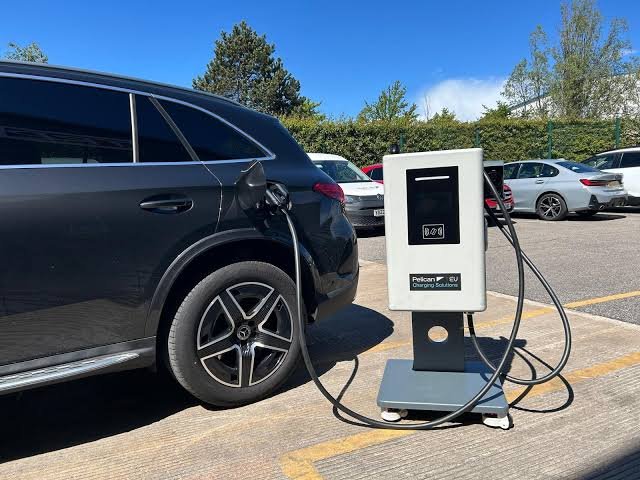
As electric vehicles (EVs) become increasingly mainstream, drivers around the globe are discovering the unmatched efficiency, lower operating costs, and environmental benefits of battery-powered transportation. However, one common concern remains for both new and experienced EV owners: range anxiety and charging accessibility. While fixed home wall boxes and public fast-charging stations handle the bulk of daily charging needs, having a portable mobile charger in your trunk offers an essential safety net and unmatched flexibility.
A mobile charger designed for electric vehicles allows drivers to tap into standard wall outlets, industrial sockets, or campsite power supplies wherever they go. In this article, we will explore why every EV driver should consider carrying a mobile charger, the top technical features to look for, and the best options available on the market today.
Why Every EV Owner Needs a Mobile Charger
Unlike traditional gasoline-powered cars that require a trip to a gas station, electric vehicles can be replenished almost anywhere electrical power exists. However, relying exclusively on fixed public chargers can sometimes lead to unexpected challenges, such as occupied charging bays, out-of-service hardware, or rural areas lacking infrastructure.
A reliable mobile charger acts as a personal, portable lifeline for your vehicle. Whether you are visiting family in a remote area, going on a cross-country road trip, camping at an RV park, or facing an emergency, carrying a versatile mobile charger ensures you are never stranded with a depleted battery.
Key Benefits of Portable EV Chargers
- Emergency Reliability: Provides an instant backup solution if a public charging station is out of order or inaccessible.
- Travel Flexibility: Plug into standard household outlets (Level 1) or high-powered industrial sockets (Level 2) at hotels, rental properties, or cabins.
- Cost Savings: Take advantage of off-peak electricity rates or free power access at locations without dedicated EV infrastructure.
- Ease of Storage: Compact and lightweight, most portable charging cables fit neatly under the trunk floor or in the front trunk (frunk).
Key Features to Consider Before Purchasing
Not all portable charging units are created equal. Before choosing a mobile charger for your vehicle, it is essential to understand the technical specifications that dictate charging speed, safety, and compatibility.
Power Output and Charging Speed
EV chargers are broadly categorized into Level 1 and Level 2 charging capability:
- Level 1 Mobile Charger: Operates on standard 120V household outlets (NEMA 5-15). It provides roughly 3 to 5 miles of range per hour of charging. While slow, it is perfect for overnight topping-up or emergency situations.
- Level 2 Mobile Charger: Connects to 240V industrial or heavy-duty outlets (such as NEMA 14-50, NEMA 6-50, or European CEE plugs). It dramatically reduces charge times, delivering 15 to 30 miles of range per hour depending on the amperage (typically 16A to 40A).
A high-quality dual-voltage mobile charger allows you to switch between 120V and 240V power sources seamlessly by simply swapping outlet adapters.
Cable Length and Build Quality
A flexible, heavy-duty cable is crucial for outdoor use. Look for cables that are at least 16 to 25 feet long, allowing you to reach an outlet even if parking options are restricted. Additionally, ensure the casing carries a robust IP (Ingress Protection) rating, such as IP65 or IP67, indicating high resistance to rain, dust, and extreme temperatures.
Safety Certifications and Protections
Electricity transmission at high amperage requires strict safety controls. Ensure the mobile charger you select is safety-certified by recognized testing bodies such as UL, ETL, or CE. Critical built-in safety features include:
- Over-current and over-voltage protection
- Under-voltage protection
- Leakage protection (GFCI)
- Over-temperature sensors in the plug and control box
- Lightning and surge protection
Top Portable Mobile Charger Options for EV Drivers
Depending on your budget, travel habits, and charging speed requirements, several excellent mobile charger products stand out in today’s market.
Tesla Mobile Connector
The Tesla Mobile Connector is widely regarded as one of the most versatile and well-engineered portable charging solutions available. While built natively with Tesla’s proprietary connector (NACS), it can also be used with non-Tesla EVs via an adapter.
- Key Strengths: Features interchangeable plug adapters (auto-detecting the maximum safe amperage for each plug), sturdy construction, and compact storage.
- Charging Capability: Supports up to 32 amps (240V) for up to 30 miles of range added per hour.
- Best For: Tesla owners and drivers seeking an easy-to-use adapter system.
J+ Booster 2
For heavy-duty performance and extreme durability, the J+ Booster 2 is an industry leader. Engineered in Switzerland, this rugged mobile charger is built from drive-over-resistant aluminum.
- Key Strengths: Exceptionally durable, 100% waterproof (IP67), and automatically adjusts power input based on connected adapters.
- Charging Capability: Delivers up to 40 amps of Level 2 charging, making it one of the fastest portable chargers available.
- Best For: All-weather adventurers, off-grid road trippers, and drivers wanting premium construction.
Schumacher SC1455 Portable EV Charger
The Schumacher SC1455 offers an affordable, reliable solution for drivers seeking basic Level 1 and Level 2 versatility without spending high premiums.
- Key Strengths: Dual-voltage capability with an included 120V adapter, flexible 28-foot charging cord, and clear LED status indicators.
- Charging Capability: Supplies up to 16 amps on 240V outlets for steady intermediate charging.
- Best For: Daily commuters seeking a simple, budget-friendly backup unit.
Grizzl-E Mini
Known for manufacturing robust home charging stations, Grizzl-E offers the Mini as an ultra-compact, high-power portable charging solution.
- Key Strengths: Extremely lightweight, customizable amperage settings via DIP switches or Wi-Fi, and built with a heavy-duty weather-resistant enclosure.
- Charging Capability: Adjustable up to 40 amps for maximum Level 2 speed.
- Best For: Drivers looking for maximum power output in a compact footprint.
Tips for Safely Using a Mobile Charger on the Go
To ensure maximum safety and prolong the lifespan of your vehicle’s battery and charging equipment, keep these best practices in mind:
- Inspect Outlets First: Before plugging your mobile charger into unfamiliar wall sockets, inspect the outlet for discoloration, wear, or looseness. Avoid using damaged sockets.
- Avoid Heavy Extension Cords: Plug the mobile charger directly into wall receptacles whenever possible. If an extension cord is unavoidable, use a heavy-duty, outdoor-rated gauge cord rated for continuous high-amperage draw.
- Store Cable Properly: Coil the cord neatly without tight kinks after each use, and store the unit in a dry protective bag in your car.
Conclusion
Investing in a high-quality portable mobile charger is one of the smartest decisions an electric vehicle owner can make. By providing the ability to charge from standard electrical outlets wherever life takes you, a mobile charger eliminates range anxiety and unlocks true driving freedom. Whether you choose a lightweight Level 1 unit or a heavy-duty dual-voltage setup, having a mobile charger ready in your trunk ensures convenient, seamless travel on every journey.