Long nursing shifts can be physically demanding and mentally tiring. Nurses may spend many hours standing, walking, assisting patients, documenting care, and responding to changing situations. When a shift lasts 10 or 12 hours, even small sources of discomfort can become much more noticeable.
For nurses looking for a guide for nurses on long shifts, the key is to develop practical habits that fit naturally into the workday. Proper preparation, comfortable footwear, hydration, nutrition, movement, and recovery can all play a role in making extended shifts easier to manage.
Prepare Before the Shift Begins
The easiest time to prepare for a long shift is before it starts.
Organize your uniform, shoes, meals, snacks, and water bottle ahead of time. Preparing these essentials can reduce the number of things you have to think about when you’re getting ready for work.
If you’re working several long shifts in a row, preparing multiple meals in advance can save even more time.
Get Enough Rest
Sleep is essential when you’re preparing for extended working hours.
Try to protect your sleep time and establish a routine that fits your schedule. Nurses who work night shifts may need to sleep during the day, so making the bedroom dark and quiet can be useful.
Avoid treating sleep as something you can easily sacrifice whenever your schedule becomes busy. Recovery starts with adequate rest.
Eat Before You Leave
A nutritious meal before a long shift can help you avoid starting the day hungry.
Choose foods that fit your dietary requirements and provide balanced nutrition. A meal containing protein, carbohydrates, and fruits or vegetables can be a practical option.
If large meals make you uncomfortable, a smaller meal with a planned snack later may work better.
Pack Food for the Shift
A long shift can become unpredictable. Your break may happen later than planned, so bringing your own food gives you more flexibility.
Pack meals and snacks that are convenient and easy to store. Consider foods such as sandwiches, fruit, yogurt, nuts, eggs, or other options that work for your dietary needs.
Having food available is particularly useful when the workplace cafeteria or nearby food options aren’t convenient.
Choose Footwear for Long Hours
The shoes you wear can have a major impact on how your feet feel at the end of the day.
Choose footwear that fits well, provides appropriate support, and feels comfortable during prolonged standing and walking.
Don’t judge a pair of shoes only by how they feel when you first put them on. Consider how your feet feel after several hours.
Consider Compression Stockings
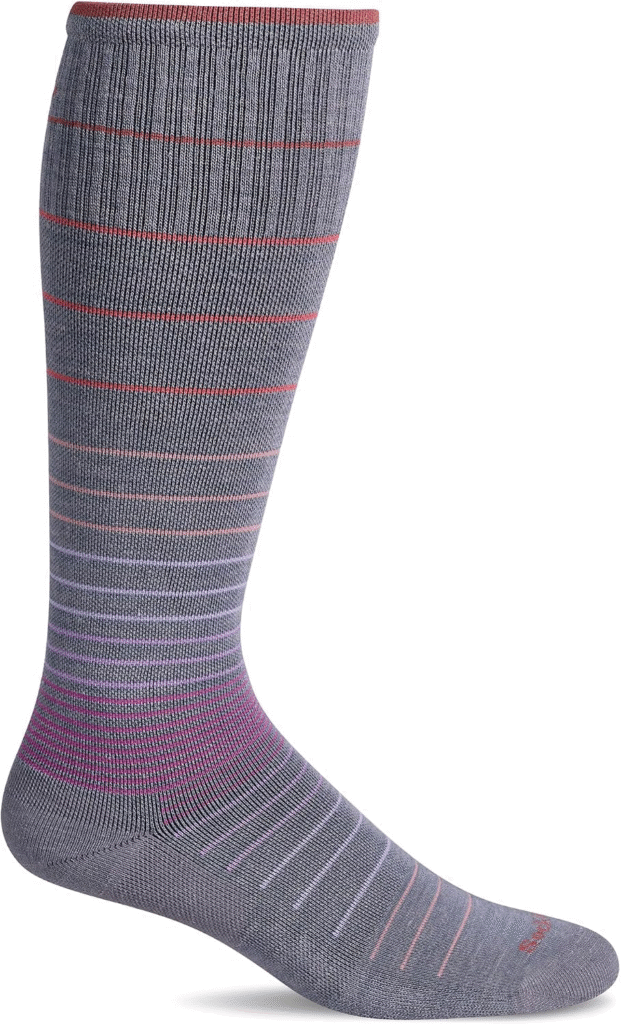
Compression stockings are often considered by people who spend long periods standing or sitting.
They provide graduated pressure along the legs and come in a variety of compression levels. Some people use them to help manage certain types of swelling, heaviness, or discomfort.
However, compression garments aren’t suitable for everyone. If you’re experiencing persistent swelling or have a condition affecting circulation, speak with a healthcare professional before using compression stockings.
Drink Water Regularly
Hydration can be easy to forget when you’re focused on patients.
When appropriate and allowed by workplace policies, keep water accessible. Take opportunities during your breaks to drink.
Individual hydration needs vary, so if a healthcare professional has given you specific instructions, follow those recommendations.
Make Your Breaks Count
A break should provide an opportunity to recover.
If you’ve spent hours standing, sit down. If you haven’t eaten, have your meal. Drink water and give yourself a few minutes away from your workload.
You may not always have a long break, but using the available time intentionally can help you feel more prepared for the rest of your shift.
Keep Moving When Possible
Although nursing involves plenty of walking, long periods of standing or repetitive activity can still cause stiffness.
When your duties allow, change positions and move naturally. Gentle ankle movements, calf stretches, shoulder rolls, and other simple movements may help you stay comfortable.
Never perform movements that interfere with patient care or cause pain.
Manage Your Energy
A long shift is easier when you think about energy management rather than simply trying to push through.
Stay organized and prioritize tasks according to your workplace procedures. Avoid unnecessary physical effort when possible.
If you know the final few hours are usually the hardest, try to avoid using all your energy early in the shift.
Protect Your Concentration
Mental fatigue can become noticeable after hours of patient care.
Take appropriate breaks, stay organized, and communicate clearly with your team. When you have a chance to step away, use part of the break to mentally reset.
If fatigue begins to affect your concentration or ability to perform your duties safely, follow your workplace procedures and communicate with the appropriate person.
Use Caffeine Wisely
Coffee and other caffeinated drinks can be helpful for some nurses, especially during night shifts.
However, excessive caffeine may interfere with sleep. If you consume caffeine late in your shift and then struggle to sleep afterward, your recovery may become more difficult.
Pay attention to your personal tolerance and timing.
Look After Your Feet and Legs
Your feet and legs carry you through much of the nursing workday.
Supportive footwear, appropriate movement, and compression stockings when medically suitable can all be considered as part of a long-shift routine.
After work, give your legs and feet time to recover. Comfortable clothing, gentle movement, and adequate rest may help you transition into recovery.
Persistent pain, significant swelling, numbness, or weakness should be discussed with a healthcare professional.
Recover Properly After Work
The end of the shift doesn’t mean your body immediately returns to normal.
Give yourself time to eat, hydrate, relax, and sleep. If you have another long shift the following day, protect your recovery time.
Try not to fill every hour away from work with additional responsibilities. Recovery is part of maintaining your ability to handle demanding shifts.
Prepare for Multiple Long Shifts
Consecutive long shifts can require additional planning.
Prepare meals and work essentials in advance. Keep your sleep environment comfortable and protect your available rest time.
If possible, organize errands and household responsibilities so that they don’t consume all of your recovery time between shifts.
Know When Something Doesn’t Feel Normal
Tiredness after a long shift is common, but not every symptom should be ignored.
Persistent pain, significant swelling, dizziness, numbness, weakness, or other unusual symptoms may require professional evaluation.
If you’re concerned about a symptom, seek appropriate medical advice rather than assuming it’s simply a result of working long hours.
Keep Your Routine Simple
A successful long-shift routine doesn’t need to be complicated.
Start with a few basics:
- Get adequate sleep.
- Prepare food in advance.
- Wear comfortable footwear.
- Keep water available.
- Take appropriate breaks.
- Move when possible.
- Consider compression support if appropriate.
- Protect your recovery time.
- Pay attention to persistent symptoms.
Once these habits become normal, you can adjust your routine based on what works best for you.
Final Thoughts
A guide for nurses on long shifts should focus on realistic strategies that can be used in a busy healthcare environment. Nurses may not be able to control patient needs, emergencies, or how hectic a shift becomes, but they can prepare their bodies and minds for the demands ahead.
Adequate sleep, balanced nutrition, hydration, supportive footwear, appropriate compression support, movement, breaks, and post-shift recovery can all contribute to greater comfort during extended workdays.
Nurses spend their shifts caring for other people. Making time to care for their own well-being can help them remain focused, comfortable, and prepared from the beginning of a shift to the very end.