Traveling along the Sichuan-Tibet route is a dream adventure for many explorers. Known for its breathtaking landscapes, diverse cultures, and spiritual landmarks, this journey offers a blend of natural beauty and cultural richness unlike any other. Planning a well-thought-out Sichuan-Tibet route itinerary is essential to make the most of your adventure and ensure a smooth, memorable experience.
Understanding the Sichuan-Tibet Route
The Sichuan-Tibet route connects the fertile lands of Sichuan Province to the high-altitude, spiritual regions of Tibet. Travelers will witness dramatic transitions from lush valleys and tea plantations to towering snow-capped peaks and expansive Tibetan plateaus. Along the way, towns and villages reflect unique Tibetan, Han, and Qiang cultures, giving travelers a deep sense of the region’s rich history.
One of the key factors to consider when planning a Sichuan-Tibet route itinerary is the terrain and altitude. Parts of the journey climb above 4,000 meters, which requires proper acclimatization. Allowing extra days for rest and adjusting your pace can prevent altitude sickness and ensure that you enjoy the breathtaking scenery without unnecessary health risks.
Choosing the Right Route and Stops
There are several variations of the Sichuan-Tibet route, depending on whether you prioritize natural beauty, cultural experiences, or adventure activities. Popular stops along the route include Chengdu, Kangding, Litang, Batang, and Lhasa. Each destination offers its own unique attractions and experiences.
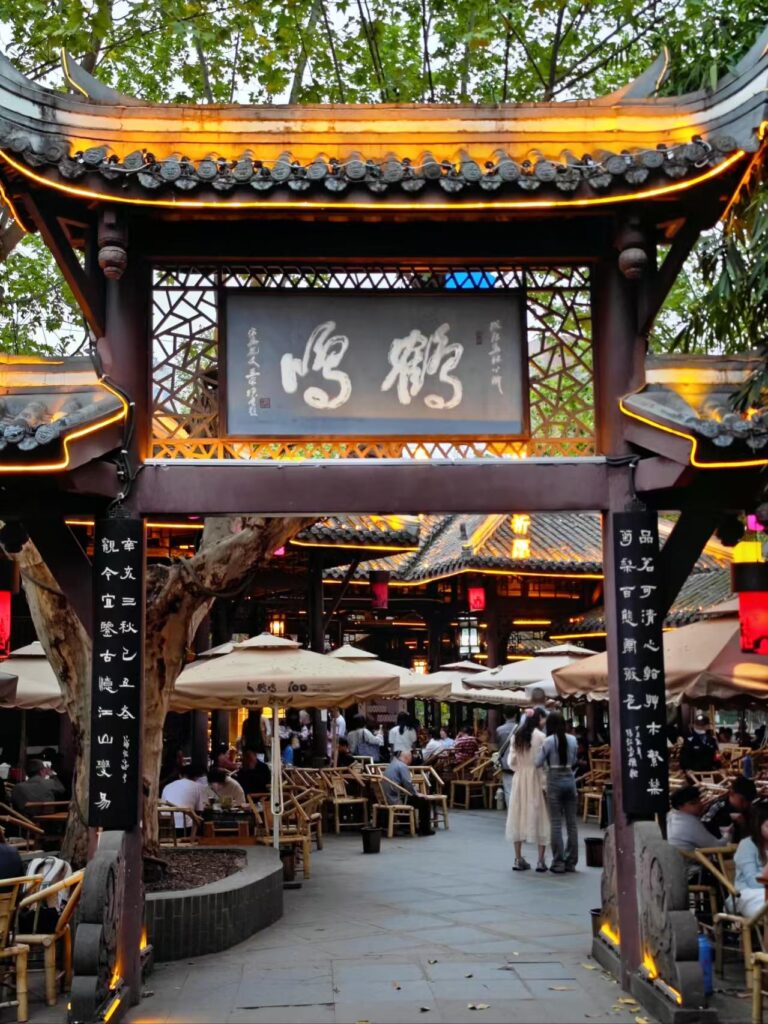
Chengdu, the capital of Sichuan, is often the starting point. Famous for its giant pandas, spicy cuisine, and relaxed tea-house culture, Chengdu is the perfect place to prepare for your journey. Stock up on essentials, acclimatize to the lower altitudes, and immerse yourself in the local culture before heading into the mountains.
Kangding and Litang serve as gateways to the highlands. Kangding’s picturesque rivers and Tibetan monasteries offer a gentle introduction to Tibetan culture. Litang, one of the highest towns in the world, provides spectacular highland landscapes and the chance to witness traditional nomadic lifestyles. Planning your stops carefully ensures that your Sichuan-Tibet route itinerary balances sightseeing with necessary rest days to adapt to the altitude.
Scenic Highlights Along the Way
One of the most rewarding aspects of the Sichuan-Tibet route is the scenery. The route passes through snow-covered mountains, deep valleys, and pristine rivers. Notable landmarks include the Siguniang Mountains, known as the “Four Sisters Mountains,” and Yading Nature Reserve, which is often referred to as the “last Shangri-La.” Photographers and nature lovers will find endless inspiration along the route.
Rivers such as the Dadu and Yalong flow alongside parts of the journey, creating dramatic landscapes framed by steep cliffs. Travelers can enjoy hiking, photography, or simply taking in the views while driving along the winding mountain roads. Including these natural wonders in your Sichuan-Tibet route itinerary allows you to experience the journey at a slower, more immersive pace.
Cultural Experiences Along the Route
Beyond the natural beauty, the Sichuan-Tibet route offers rich cultural experiences. Tibetan Buddhist monasteries, local festivals, and traditional markets provide insight into the spiritual and everyday life of the people who call these highlands home. Visiting monasteries such as Yulin Monastery in Ganzi or Samye Monastery near Lhasa can be transformative experiences, offering both spiritual reflection and historical insight.
Cultural interactions also include sampling local Tibetan cuisine, which features barley-based foods, yak meat, and unique dairy products. Engaging with local artisans and attending festivals along your route enhances your understanding of the region’s traditions. A well-crafted Sichuan-Tibet route itinerary integrates both scenic and cultural stops to create a well-rounded travel experience.
Travel Logistics and Preparation
Traveling the Sichuan-Tibet route requires careful planning. Roads are often challenging, with high altitudes and remote stretches that require reliable transportation. Many travelers choose private vehicles or guided tours to ensure safety and comfort. Buses are available on certain segments, but schedules can be unpredictable due to weather conditions.
Permits are another critical consideration. Foreign travelers need a Tibet Travel Permit, and certain areas along the route may require additional permissions. Consulting with local travel agencies or tour operators can simplify this process, allowing you to focus on the adventure itself.
Packing for the journey is equally important. Weather can vary dramatically, from hot valleys to freezing highlands. Layered clothing, proper footwear, and essentials such as sunscreen and first-aid kits are crucial. Being prepared ensures that unexpected conditions won’t derail your Sichuan-Tibet route itinerary.
Best Time to Travel
Timing your journey can significantly enhance the experience. The ideal period for traveling the Sichuan-Tibet route is typically between May and October. During these months, roads are more accessible, and the weather is relatively stable. Spring brings blooming wildflowers in the valleys, while summer offers lush greenery and clear skies. Autumn is perfect for capturing vibrant fall colors against the dramatic mountain backdrop.
Winter travel is possible but less common due to heavy snowfall and road closures. Planning your trip according to seasonal conditions ensures a smoother, safer, and more enjoyable Sichuan-Tibet route itinerary.
Tips for a Memorable Adventure
To make your Sichuan-Tibet journey truly epic, consider these tips. First, allow flexibility in your itinerary. Road conditions and weather can be unpredictable, so building in extra days ensures that your adventure remains stress-free. Second, take time to rest and acclimatize at high-altitude stops. Rushing through the route can lead to exhaustion or altitude sickness. Third, engage with locals and embrace cultural experiences. Authentic interactions often become the most memorable parts of the journey.
Documenting your journey is another way to enrich your experience. Photography, journaling, or even social media posts can help preserve the stunning landscapes and cultural encounters you encounter along the way. Finally, maintain a mindset of curiosity and adventure. The Sichuan-Tibet route is as much about the journey as the destination, and embracing each twist and turn adds depth to your travel story.
Conclusion
Creating a well-planned Sichuan-Tibet route itinerary ensures that your journey through this incredible region is safe, enriching, and unforgettable. By balancing natural wonders, cultural experiences, and practical travel considerations, you can craft an adventure that matches your interests and pace. From the bustling streets of Chengdu to the serene monasteries of Tibet, every stop along the way offers something unique. With careful preparation, flexibility, and a spirit of adventure, your Sichuan-Tibet route itinerary will become a story you will cherish for a lifetime.