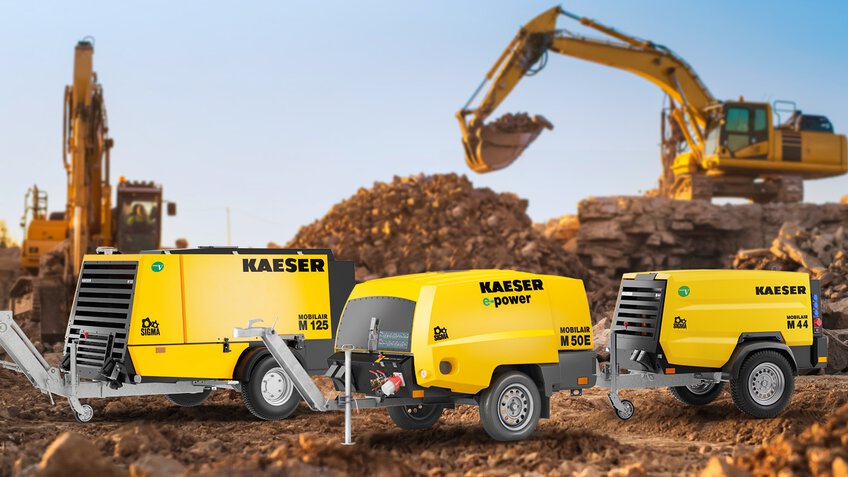
Selecting the right equipment for a construction site can significantly impact productivity, safety, and overall efficiency. Among the most versatile tools on any site is a portable air compressor for construction site use. Whether you need to power pneumatic tools, inflate tires, or provide air for painting and cleaning, the right air compressor can make your work smoother and faster. However, choosing the perfect portable air compressor requires careful consideration of several factors to ensure it meets your construction demands.
Understanding the Basics of Portable Air Compressors
A portable air compressor is a compact and mobile device designed to convert power into potential energy stored in pressurized air. This stored air can then drive pneumatic tools, spray paint, and perform other tasks that require pressurized air. On construction sites, portability is a crucial factor because workers often need to move the equipment between locations. Unlike stationary compressors, a portable air compressor for construction site use can easily be transported, making it ideal for dynamic work environments.
These compressors come in different types, primarily electric, gas-powered, or battery-operated. Electric models are generally quieter and more environmentally friendly, but they require a power source. Gas-powered units provide more mobility and higher power output but produce emissions and noise. Battery-operated compressors are less common but offer portability without cords or fuel.
Assessing Your Construction Site Needs
Before purchasing a portable air compressor, it’s essential to assess your specific requirements on the construction site. Ask yourself what tasks you will use the compressor for most frequently. Are you running nail guns, jackhammers, or other pneumatic tools? Will the compressor be needed to inflate tires or operate paint sprayers? The answers to these questions will guide your choice regarding power, tank size, and portability.
Another consideration is the environment of your construction site. Outdoor sites may require gas-powered compressors because electricity might not always be accessible. Conversely, indoor construction or renovations may benefit more from quieter, electric models that reduce noise pollution for workers and surrounding areas.
Determining the Right Air Flow and Pressure
Air compressors are rated by their airflow capacity, measured in cubic feet per minute (CFM), and pressure, measured in pounds per square inch (PSI). These two factors determine how effectively your compressor can power your tools. Pneumatic nail guns, for example, require less CFM than large jackhammers or sandblasters. Using a compressor with insufficient airflow can reduce tool performance and increase wear on the equipment.
A portable air compressor for construction site should have a CFM rating higher than the total requirement of the tools you plan to operate simultaneously. For PSI, most construction tools operate effectively between 90-120 PSI. Ensuring your compressor meets or exceeds these specifications is vital for smooth operation and longevity of both the compressor and your tools.
Choosing the Appropriate Tank Size
The tank size of a portable air compressor affects how long it can supply air before needing to run continuously. Smaller tanks are lighter and more portable, making them easier to move around a construction site. However, they may not support prolonged use of high-demand tools. Larger tanks provide longer runtime and steady air pressure but can be heavier and less maneuverable.
When selecting a portable air compressor for construction site use, strike a balance between portability and capacity. For daily tasks that require frequent movement, a medium-sized tank often provides the best compromise between mobility and performance.
Considering Portability and Mobility
Portability is one of the defining features of compressors used on construction sites. Features such as wheels, handles, and overall weight play a significant role in how easily the compressor can be moved. Sites with uneven terrain or multiple floors may benefit from compressors with rugged wheels and stable bases. Compact models that can fit in small spaces or vehicles add flexibility, especially if the compressor will be transported between different sites frequently.
Gas-powered compressors often provide more power but can be heavier, while electric compressors are lighter but tethered to power cords unless battery-operated. Evaluating how much weight you are willing to maneuver and how often you need to transport the compressor will help narrow down your choices.
Evaluating Noise Levels and Durability
Construction sites can be noisy, but additional equipment noise can affect worker comfort and productivity. Electric compressors tend to operate more quietly than gas-powered models, which might be preferable for projects in residential areas or indoor renovations. However, some gas compressors are designed with noise-reduction features, making them suitable for environments where noise control is important.
Durability is another critical factor. Construction sites are harsh environments, and your portable air compressor for construction site should be built to withstand dust, debris, and rough handling. Look for compressors with reinforced housings, corrosion-resistant materials, and reliable cooling systems to ensure long-term performance.
Maintenance and Ease of Use
A well-maintained air compressor runs more efficiently and lasts longer. Before purchasing, consider the maintenance requirements of the unit. Some compressors require regular oil changes, while others are oil-free, reducing maintenance time. Easy-to-access components, simple controls, and clear gauges make daily operation easier, especially for teams with multiple operators.
Additionally, check if spare parts are readily available and whether the manufacturer provides a warranty or support. Investing in a portable air compressor for construction site with accessible service options can save both time and money in the long run.
Budget Considerations
Finally, budget plays a crucial role in selecting a portable air compressor. While it may be tempting to opt for the cheapest option, remember that higher-quality compressors often provide better performance, durability, and safety features. Consider the total cost of ownership, including maintenance, spare parts, and potential downtime if the compressor fails. Often, spending a little more upfront on a reliable unit pays off in efficiency and reduced long-term costs.
Making the Final Choice
When choosing the perfect portable air compressor for construction site, weigh all factors together: type, airflow, pressure, tank size, portability, noise, durability, maintenance, and budget. Visiting a local dealer or reading user reviews online can provide additional insights into real-world performance. Ultimately, the right air compressor should seamlessly integrate into your workflow, improving productivity and ensuring that your construction tools operate at peak efficiency.
By carefully evaluating your site’s needs and comparing features, you can select a portable air compressor that not only meets your current demands but also adapts to future projects. Investing time in research before purchasing will ensure that you get a reliable, efficient, and versatile tool for your construction site.