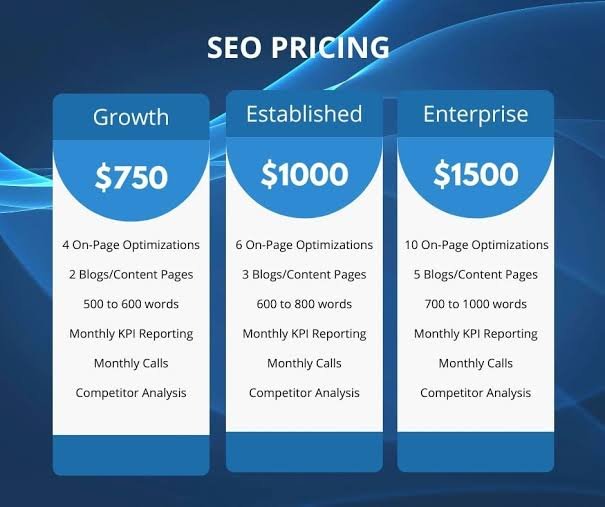
Choosing the right SEO package can make a significant difference in how effectively your business attracts customers online. With countless agencies and service providers offering different plans, pricing models, and deliverables, it can be difficult to determine which option seo packages actually fits your goals. The best SEO package is not necessarily the cheapest or the most expensive. Instead, it should match your business objectives, website condition, competition, budget, and long-term growth strategy.
Understanding what different SEO packages include can help you make a confident decision and avoid investing in services that do not provide meaningful value.
What Are SEO Packages?
SEO packages are organized bundles of search engine optimization services offered by an agency, consultant, or SEO provider. These packages may include keyword research, on-page optimization, technical SEO, content optimization, link building, website audits, competitor analysis, and performance reporting.
Packages are usually designed for businesses with different levels of SEO needs. A small local company may need a simple plan focused on local visibility, while a large e-commerce website may require extensive technical optimization, content development, and authority building.
The purpose of a package is to make SEO services easier to understand and manage. However, businesses should always look beyond the package name and examine the actual services included.
Start With Your Business Goals
Before comparing SEO packages, determine what you want SEO to accomplish. Your goals should influence the type of plan you choose.
For example, a local business may want to increase visibility for searches in a particular city or region. An online store may want more organic product traffic and sales. A B2B company may focus on generating qualified leads through informative content.
Common SEO goals include:
- Increasing organic website traffic
- Improving search engine rankings
- Generating qualified leads
- Increasing online sales
- Improving local visibility
- Building website authority
- Growing brand awareness
- Optimizing existing website content
Once your goals are clear, it becomes easier to identify which SEO services deserve the most attention.
Understand What the Package Includes
Never choose an SEO plan based only on its price. Review the deliverables carefully and determine whether they support your objectives.
A comprehensive SEO package may include several important components. Keyword research helps identify valuable search terms that potential customers use. On-page SEO improves titles, headings, descriptions, internal links, and content structure. Technical SEO focuses on website performance, crawlability, indexing, mobile usability, and other technical factors.
Content optimization can make existing pages more useful and relevant, while link-building services can help develop website authority when performed naturally and responsibly.
A strong package should explain what work will be completed rather than using vague promises such as “premium optimization” or “guaranteed rankings.”
Consider Your Website’s Current Condition
Every website starts from a different position. A new website may require foundational SEO work, while an established website might already have strong content and only need targeted improvements.
Consider whether your website has technical problems, outdated content, poor page structure, weak internal linking, or limited search visibility. An SEO audit can help identify these issues before you select a package.
If your website has major technical problems, a package focused primarily on backlinks may not address your most important needs. Similarly, if your technical foundation is strong but your website lacks useful content, content-focused SEO may provide greater value.
Choose a Package That Matches Your Competition
Competition is another important factor when selecting SEO packages. Ranking for highly competitive keywords generally requires more strategic planning, stronger content, authority development, and consistent optimization.
A small business targeting specific local keywords may not need the same level of investment as a national company competing for broad, high-volume search terms.
Research your competitors and examine their website quality, content depth, backlink profiles, and search visibility. This can give you a better understanding of the level of SEO effort required to compete effectively.
Evaluate the Quality of Link Building
Link building can be an important part of SEO, but quality matters more than simply accumulating large numbers of links.
Be cautious of packages that promise thousands of backlinks for extremely low prices without explaining where those links come from. Low-quality or irrelevant links may provide little value and can create unnecessary risks.
Look for providers that emphasize relevant, editorially appropriate, and sustainable link-building strategies. Ask how links are acquired, what types of websites are targeted, and whether the provider follows accepted SEO practices.
A smaller number of relevant, trustworthy links can be more useful than a huge collection of low-quality links.
Check the Reporting and Communication
A good SEO package should include clear reporting. You should be able to understand what work has been completed and how your website is progressing.
Reports may include information about organic traffic, keyword visibility, ranking trends, completed optimization tasks, backlinks, technical improvements, and conversions.
Regular communication is also important. Your SEO provider should be willing to explain the strategy, discuss progress, and adjust the approach when necessary.
Avoid providers that make ranking guarantees or refuse to explain what they are doing. Search engine optimization is influenced by competition, algorithms, website quality, and many other factors, so realistic expectations are essential.
Compare Pricing With Value
SEO pricing can vary significantly depending on the provider, scope of work, industry, competition, and website size. Instead of asking only, “How much does this package cost?” consider, “What value can this package provide?”
A low-cost plan may be appropriate for a small website with limited needs, but it may not include enough work for a competitive market. On the other hand, an expensive package is not automatically better.
Compare providers based on deliverables, expertise, transparency, strategy, reporting, and expected business outcomes. The goal should be to find a package that provides meaningful work within a sustainable budget.
Look for Flexible SEO Packages
Your SEO needs may change over time. A flexible provider should be able to adjust the strategy as your website develops.
For example, an initial campaign might focus on technical SEO and keyword research. Once the foundation is improved, the strategy could shift toward content creation, link building, conversion optimization, or expanding into new search topics.
Avoid committing to a package that includes services you do not need simply because they are bundled together. Flexible plans can make it easier to prioritize the work that matters most.
Avoid Unrealistic Promises
One of the biggest warning signs when choosing SEO packages is a guarantee of specific rankings within a very short period.
No legitimate SEO provider can completely control search engine rankings. A responsible provider should explain what can realistically be improved and provide a strategy for achieving sustainable growth.
Be particularly cautious about promises of instant results, guaranteed number-one rankings, or enormous numbers of backlinks with little explanation.
SEO is generally a long-term process. Consistent optimization, useful content, technical improvements, and authority development can gradually improve a website’s organic presence.
Make the Right Decision for Long-Term Growth
The best SEO package is one that aligns with your business goals and provides clear, useful services. Start by understanding your website’s current position, identify your priorities, research your competition, and compare packages based on actual deliverables.
Look for transparency, ethical optimization practices, measurable reporting, and a strategy that can evolve as your business grows. Do not select a plan simply because it has the lowest price or the largest list of services.
Ultimately, effective SEO is about attracting the right audience and creating a better experience for people who visit your website. By choosing an SEO package based on quality, relevance, and long-term value, your business can build a stronger online presence and create sustainable opportunities for organic growth.