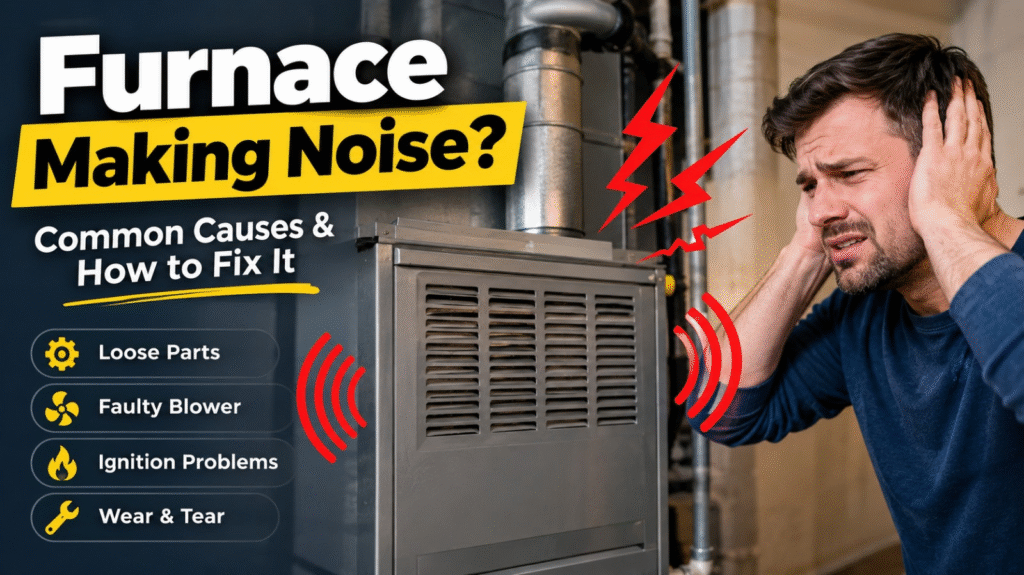
A dependable HVAC system is essential for maintaining a comfortable home in every season. Colorado weather can change significantly throughout the year, which means homeowners need reliable heating in colder months and effective cooling during warmer weather. When your HVAC equipment starts behaving differently, identifying the problem early can help protect your comfort and potentially prevent a larger repair.
One of the most noticeable warning signs is a Furnace making noise. A furnace naturally produces sounds while starting, heating, and circulating air. However, unusual sounds such as banging, rattling, grinding, squealing, or whistling may indicate that something requires attention.
For homeowners searching for heating cooling services in Englewood Colorado, understanding common furnace noises can help you recognize potential problems and know when professional service may be necessary.
Why Is My Furnace Making Noise?
Modern furnaces contain several components that work together during each heating cycle. The thermostat communicates with the system, the ignition components start the heating process, and the blower circulates warm air through the ductwork.
Because of this activity, some operational noise is normal.
The important thing is whether the sound has changed.
If your furnace has operated quietly for years and suddenly starts producing a loud rattling or grinding sound, that change should not be ignored.
A Furnace making noise can have several possible causes, and the type of sound often provides the first clue.
Common Furnace Noises and Possible Causes
Banging or Booming
A loud bang when the furnace starts can sometimes be related to ignition or burner operation. Dirty components may affect the normal heating process, while loose parts or ductwork can also create banging sounds.
A repeated boom or bang is not something homeowners should simply accept as normal.
Professional inspection can help determine whether the sound is coming from the combustion area, blower assembly, or ductwork.
Rattling
Rattling is often associated with vibration.
A loose access panel, fastener, duct connection, or another component may vibrate when the blower operates.
If the rattling is new, persistent, or getting louder, having an HVAC professional inspect the system can help identify the source.
Squealing
A high-pitched squealing noise may be associated with the blower motor or another moving component.
Mechanical parts experience repeated movement during heating cycles, and wear can eventually affect their operation.
If your Furnace making noise produces a persistent squeal, professional diagnosis can determine whether a component needs service.
Grinding
Grinding sounds deserve prompt attention.
They can sometimes indicate friction or wear involving moving parts. A blower motor, bearing, or another mechanical component may be involved.
Continuing to run a furnace with a serious grinding sound could potentially increase wear or damage.
Whistling
Whistling can sometimes be related to restricted airflow.
The air filter should be one of the first things homeowners check. If the filter is clogged, replacing it may improve airflow.
If the sound remains after changing the filter, the issue may involve ductwork, vents, return-air restrictions, or another component.
Heating Cooling Services in Englewood Colorado for Furnace Issues
When your heating system produces unusual sounds, professional HVAC service can provide a more accurate diagnosis.
Reliable heating cooling services in Englewood Colorado can cover a wide range of residential HVAC needs.
Depending on the provider, services may include:
- Furnace repair
- Furnace maintenance
- Heating inspections
- AC repair
- Air conditioning maintenance
- Thermostat service
- Airflow troubleshooting
- HVAC system replacement
- Seasonal tune-ups
- Heating and cooling system evaluations
Having a professional inspect the equipment can help determine the actual source of the problem.
Could a Dirty Filter Be the Problem?
The air filter plays an important role in HVAC performance.
It captures dust, dirt, and other airborne particles before they circulate through the system. As the filter becomes clogged, airflow can become restricted.
Restricted airflow may cause the HVAC system to work harder and can affect indoor comfort.
When dealing with a Furnace making noise, check the filter. If it is visibly dirty, replace it with the appropriate filter according to your manufacturer’s recommendations.
If the furnace remains noisy after the filter is changed, another problem may be responsible.
Blocked Vents Can Affect Airflow
Air needs a clear path through your HVAC system.
Supply vents and return-air openings can accidentally become blocked by furniture, curtains, rugs, storage containers, or other household objects.
Blocked airflow can affect heating performance and sometimes change the sound produced by the system.
Walk through your home and make sure vents are accessible and unobstructed.
If the furnace still makes unusual noises, professional HVAC troubleshooting can help identify whether the issue is related to the furnace or ductwork.
Furnace Noise During Startup
The moment a furnace starts can reveal important clues.
Some normal sounds occur during startup as the heating system activates and components begin operating.
However, repeated loud banging or booming should be investigated.
If your Furnace making noise is particularly loud during startup, make a note of the timing and frequency. This information can help an HVAC technician understand what may be happening.
Avoid attempting to inspect burners, ignition components, or other internal parts yourself.
Furnace Noise During Operation
Noise that continues while the furnace is running may be associated with airflow or mechanical components.
For example, squealing may point toward a moving component, while whistling can sometimes indicate restricted airflow.
A rattling sound may come from vibration in the furnace cabinet or ductwork.
Because multiple issues can create similar sounds, professional diagnosis is preferable to guessing.
Furnace Noise During Shutdown
A furnace may make minor sounds when shutting down as heated materials cool.
Some expansion and contraction noises can be normal.
However, repeated loud popping, banging, or mechanical sounds during shutdown should receive attention.
If the sound is new or becoming louder, contact an HVAC professional for an assessment.
Why Preventive Furnace Maintenance Matters
Many furnace problems can be easier to manage when discovered early.
Regular maintenance allows a qualified HVAC professional to inspect important components and evaluate overall system operation.
Maintenance may identify:
- Worn components
- Restricted airflow
- Dirty parts
- Loose connections
- Mechanical wear
- Ignition concerns
- Thermostat problems
For homeowners seeking heating cooling services in Englewood Colorado, preventive maintenance can be an important part of keeping HVAC equipment ready for seasonal demands.
Don’t Wait for Complete Furnace Failure
A furnace does not have to stop producing heat before it needs service.
Sometimes a strange noise is an early indication of a developing problem.
For example, a component may continue functioning while becoming increasingly worn. Addressing the problem early may help reduce the possibility of additional damage.
If your Furnace making noise has become a regular occurrence, consider arranging a professional inspection.
Other Warning Signs to Watch For
Along with unusual noise, homeowners should pay attention to changes in furnace performance.
Potential warning signs include:
- Uneven heating
- Weak airflow
- Frequent cycling
- Difficulty starting
- Thermostat problems
- Unusual odors
- Increasing operating costs
- Short heating cycles
- Unexpected shutdowns
If you notice several symptoms at once, professional HVAC service becomes even more important.
What Homeowners Can Safely Do
There are a few basic steps you can take before contacting an HVAC technician.
First, check the thermostat and make sure it is set correctly.
Next, inspect the air filter. Replace it if it is dirty.
Then check your home’s vents and make sure they are not blocked.
Finally, listen carefully to the furnace and identify when the sound occurs.
Do not remove internal furnace panels or attempt repairs involving gas, electrical, ignition, or mechanical components.
When a Noisy Furnace Needs Immediate Attention
Some HVAC problems require greater caution than others.
If you smell gas, suspect a gas leak, see smoke, or notice signs of an electrical problem, prioritize safety. Leave the area if necessary and follow the emergency instructions provided by your local gas utility or emergency services.
Never attempt to repair a suspected gas leak yourself.
For persistent mechanical sounds such as grinding or scraping, turning the system off and contacting a qualified HVAC professional can help prevent further damage.
Furnace Repair vs. Furnace Replacement
A noisy furnace does not automatically mean that replacement is necessary.
The appropriate solution depends on the furnace’s age, condition, efficiency, repair history, and the cost of the required repair.
A newer furnace with a worn blower component may only need a repair.
An older system that has required frequent repairs may make replacement a more practical choice.
A professional HVAC technician can inspect the equipment and explain whether repair or replacement makes more sense.
Heating Cooling Services in Englewood Colorado for Year-Round Comfort
HVAC care is not limited to winter.
During warmer months, your air conditioner needs to operate efficiently. Regular maintenance can help identify cooling problems before they become inconvenient during periods of high demand.
Professional heating cooling services in Englewood Colorado can support both sides of your home’s HVAC system.
A complete HVAC maintenance plan may include:
Fall and Winter
Furnace inspection, maintenance, and heating repairs.
Spring
Air conditioning inspection and seasonal preparation.
Summer
AC maintenance, troubleshooting, and cooling repairs.
Year-Round
Thermostat checks, airflow evaluation, and general HVAC troubleshooting.
This approach can help homeowners prepare for seasonal temperature changes.
How to Find Reliable HVAC Services
When searching for heating cooling services in Englewood Colorado, avoid choosing a provider based only on the lowest advertised price.
Instead, consider:
- Experience with residential HVAC systems
- Range of heating and cooling services
- Customer reviews
- Clear communication
- Professional diagnostics
- Transparent estimates
- Maintenance options
- Warranty information
A dependable HVAC professional should explain the cause of the problem and clearly describe the recommended solution.
Frequently Asked Questions
Why is my Furnace making noise at startup?
Startup noise can have different causes, including ignition issues, dirty burners, loose components, or ductwork movement. Repeated loud sounds should be professionally evaluated.
Is a rattling furnace dangerous?
Rattling does not always mean a serious problem. It can result from something as simple as a loose panel, but persistent rattling may also indicate a mechanical issue.
What causes a furnace to squeal?
Squealing can sometimes be associated with the blower motor or other moving components. Professional inspection can identify the actual cause.
Why does my furnace whistle?
Whistling can sometimes occur when airflow is restricted. Check the filter and vents first. If the sound continues, professional troubleshooting may be necessary.
Should I replace a furnace that is making noise?
Not necessarily. The cause of the noise, furnace age, repair history, and overall condition should all be considered before deciding between repair and replacement.
How often should a furnace be maintained?
Maintenance schedules vary by system and manufacturer recommendations. Many homeowners arrange professional heating maintenance before the main heating season.
What are heating cooling services in Englewood Colorado?
These services can include furnace repair, furnace maintenance, air conditioner repair, AC maintenance, HVAC inspections, airflow troubleshooting, thermostat service, and system replacement.
Final Thoughts
When a furnace operates normally, most homeowners barely think about it. But a sudden change in sound can quickly become noticeable.
A Furnace making noise may be caused by restricted airflow, loose components, ductwork vibration, mechanical wear, or other HVAC issues. While some sounds may be minor, persistent or unusually loud noises deserve attention.
Homeowners can start with simple checks such as the air filter, thermostat, and vents. However, internal furnace problems should be handled by qualified professionals.
If you are searching for heating cooling services in Englewood Colorado, choosing an experienced HVAC provider can help you maintain both your furnace and air conditioning system throughout the year.
Regular maintenance and prompt attention to unusual sounds can help homeowners stay ahead of HVAC problems, maintain indoor comfort, and get more dependable performance from their heating and cooling equipment.