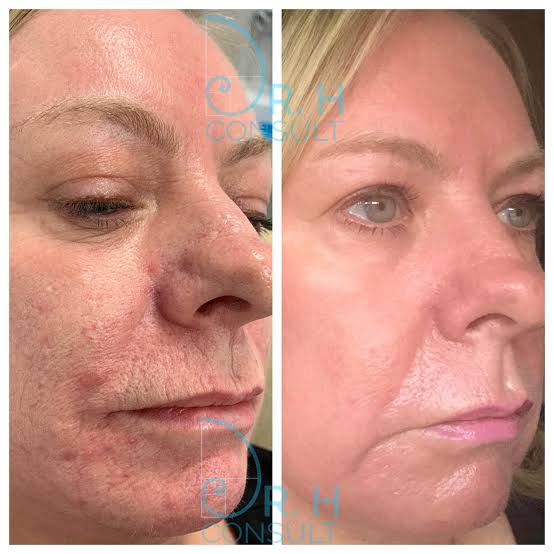
Healthy-looking skin is often associated with an even tone, smooth texture, and a fresh appearance. However, factors such as sun exposure, acne, aging, scars, and environmental damage can affect the skin over time. Laser Skin Resurfacing is a popular cosmetic Laser Skin Resurfacing treatment designed to improve several of these concerns by using controlled laser energy to refresh the skin and encourage the growth of healthier-looking tissue.
This treatment has become increasingly popular because it can be customized according to different skin concerns and desired results. Understanding how it works, what it can address, and what to expect during recovery can help people make informed decisions about whether it is suitable for them.
What Is Laser Skin Resurfacing?
Laser Skin Resurfacing is a cosmetic procedure that uses laser energy to improve the appearance and texture of the skin. Depending on the type of laser used, the treatment may remove damaged outer layers of skin, heat deeper layers, or combine both approaches.
The controlled laser energy can stimulate natural skin-repair processes and encourage collagen production. Collagen is an important protein that helps support the skin’s structure and firmness. As the skin heals, it may gradually appear smoother, more even, and refreshed.
There are different laser technologies available, and the appropriate option depends on factors such as skin type, treatment goals, and the specific concern being addressed.
What Skin Concerns Can It Treat?
One of the main advantages of Laser Skin Resurfacing is its versatility. It may be used to improve several common cosmetic concerns, including fine lines and wrinkles, uneven skin texture, acne scars, sun-related skin changes, age spots, and certain areas of uneven pigmentation.
It may also help reduce the appearance of enlarged pores and rough or dull-looking skin. However, results can vary significantly depending on the individual’s skin condition, the treatment method, and the number of sessions recommended.
A professional skin assessment is important because not every laser treatment is appropriate for every concern or skin type.
How Does Laser Skin Resurfacing Work?
During treatment, a laser device delivers carefully controlled energy to targeted areas of the skin. Some lasers primarily affect the surface layer, while others work deeper within the skin without removing as much of the outer layer.
Ablative laser treatments remove or vaporize damaged skin cells from the surface. Non-ablative treatments generally leave the surface layer intact while heating underlying tissue to stimulate collagen production. Fractional laser treatments create microscopic treatment zones while leaving surrounding skin untreated, which can support healing.
The treatment approach is selected according to the patient’s goals and the professional’s assessment of the skin.
Benefits of Laser Skin Resurfacing
Laser Skin Resurfacing may provide several cosmetic benefits when performed appropriately. One major benefit is improved skin texture. Damaged or uneven areas may gradually become smoother as the skin repairs itself.
The treatment can also help soften the appearance of fine lines and improve the look of certain scars. By encouraging collagen production, some treatments may help the skin appear firmer and more refined over time.
Another benefit is that laser treatments can be targeted to specific areas. Depending on the technology, treatment may be performed on areas such as the face, neck, chest, or hands.
What Happens During the Treatment?
Before Laser Skin Resurfacing, a qualified professional typically evaluates the skin and discusses medical history, medications, previous cosmetic treatments, and treatment expectations. This assessment helps determine whether the procedure is appropriate.
During the procedure, the skin is cleansed and appropriate protection is used. Depending on the treatment, a topical anesthetic or another form of pain control may be provided.
The laser device is then moved across the selected area. Patients may experience warmth, tingling, or a snapping sensation depending on the laser technology. Treatment time varies based on the size of the area and the type of procedure.
Recovery and Aftercare
Recovery depends heavily on the type and intensity of the laser treatment. Some non-ablative procedures may involve relatively little downtime, while more intensive resurfacing can require a longer healing period.
Temporary redness, swelling, sensitivity, dryness, or peeling can occur after treatment. Patients should follow the aftercare instructions provided by their healthcare professional.
Keeping the treated skin protected from sunlight is especially important. A broad-spectrum sunscreen and protective clothing can help reduce additional sun exposure. Gentle skincare products may also be recommended while the skin is recovering.
It is important not to pick, scratch, or unnecessarily irritate treated areas during the healing process.
How Many Treatments Are Needed?
The number of sessions varies depending on the treatment type and the condition being addressed. Some people may notice improvement after one treatment, while others may need several sessions to achieve their desired cosmetic results.
A professional can create a treatment schedule based on the individual’s skin and goals. Results may also continue developing gradually as collagen production and natural skin renewal take place.
Is Laser Skin Resurfacing Safe?
Laser Skin Resurfacing can be a safe cosmetic procedure when an appropriate treatment is selected and performed by a qualified professional. However, like other cosmetic procedures, it can have potential side effects and risks.
Temporary redness, swelling, irritation, and changes in skin pigmentation may occur. In some cases, more significant complications can develop. People with certain skin conditions, a history of abnormal scarring, or other medical considerations may require special evaluation before treatment.
Choosing an experienced, qualified provider and following pre-treatment and aftercare instructions can help support safer treatment and better outcomes.
Who May Be a Good Candidate?
The ideal candidate depends on the individual’s skin condition, overall health, treatment goals, and the type of laser being considered. People seeking improvement in texture, fine lines, scars, or certain pigmentation concerns may benefit from professional evaluation.
However, Laser Skin Resurfacing is not automatically suitable for everyone. A consultation should be used to discuss expectations, possible risks, recovery time, and alternative treatment options.
Preparing for Laser Skin Resurfacing
Preparation may include avoiding excessive sun exposure and following specific skincare instructions provided by the treatment provider. Patients should also disclose medications, supplements, skincare products, and previous procedures.
Following professional instructions before treatment can help minimize avoidable irritation and prepare the skin for the procedure.
Maintaining Your Results
Results from Laser Skin Resurfacing can be supported with consistent skincare and healthy habits. Daily sun protection is particularly important because ultraviolet exposure can contribute to premature skin aging and pigmentation changes.
A gentle skincare routine, adequate hydration, and appropriate products recommended by a skincare professional can also help maintain the appearance of treated skin. Since natural aging continues, some people may eventually choose additional treatments to maintain their results.
Final Thoughts
Laser Skin Resurfacing can be an effective option for improving the appearance of uneven texture, fine lines, scars, and certain signs of environmental or sun-related skin damage. Because laser technologies vary widely, the right treatment depends on individual skin characteristics and cosmetic goals.
The best approach is to consult a qualified medical professional who can evaluate the skin, explain realistic results, discuss possible risks, and recommend an appropriate treatment plan. With proper treatment selection, professional care, and suitable aftercare, Laser Skin Resurfacing can help create smoother, healthier-looking skin.